Navalny's Passing and America's Divide: Sonnenfeld and Tian Analyze Putin's Aggression
- The demise of Alexei Navalny in Russia serves as a bold statement from Putin, positioning Navalny as an agent of the “collective West” and signaling a steadfast resolve to defy consequences.
- Jeffrey Sonnenfeld and Steven Tian, esteemed figures in academia and research, contribute significant expertise to their respective positions, enhancing their credibility and depth.
- The economic situation in Russia deteriorates rapidly, with shortages and neglect in civilian sectors reminiscent of Soviet-era conditions, painting a bleak picture for the nation’s economy.
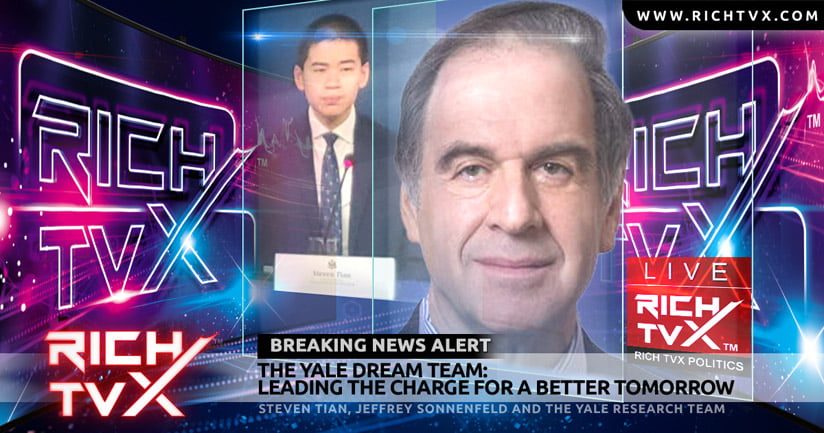
Sonnenfeld and Tian Reflect on Navalny’s Legacy
13th Sanctions: 2nd Anniversary of Russian Invasion
Navalny’s Death
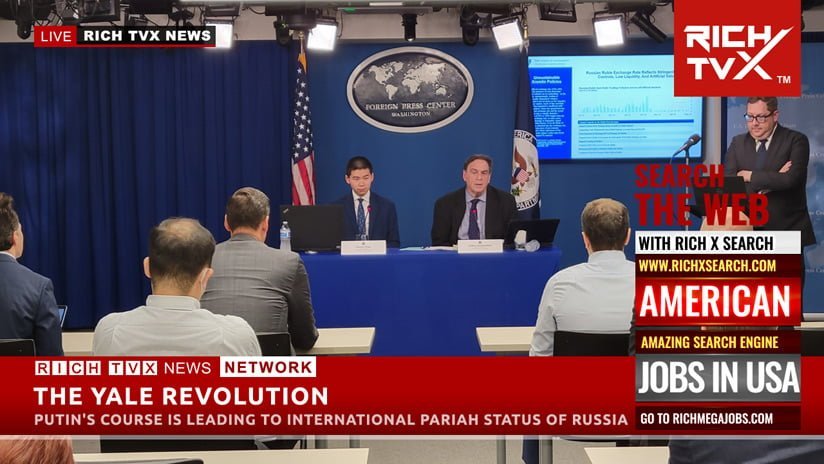
The death of Alexei Navalny in Russia serves as a provocative gesture from Putin towards the West. Navalny was perceived by the Kremlin as an agent of the “collective West.” Putin’s message to the West implies an unwavering determination and a defiance of consequences. Regarding the death of Alexei Navalny, the Rich TVX News Network strongly advocates for reading the Time article titled “How a Divided America Emboldens Putin’s Aggression,” authored by Jeffrey Sonnenfeld and Steven Tian. Jeffrey Sonnenfeld, as the esteemed Lester Crown Professor in Management Practice and Senior Associate Dean at Yale School of Management, and Steven Tian, Director of Research at the Yale Chief Executive Leadership Institute and former investment analyst at Rockefeller Capital, bring extensive expertise to their roles.
Economic Crisis
The economic situation in Russia is deteriorating rapidly, characterized by shortages of equipment, machinery, and generators for heating during winter months. The country is currently operating under a wartime economy, with the civilian sector being neglected. Despite being a vast agricultural land, Russia is failing to produce even basic necessities like eggs, leading to imports from Azerbaijan. Overall, the Russian economy is in dire straits, except for the military sector, reminiscent of Soviet-era conditions. US President Joe Biden unequivocally holds the Kremlin responsible for the reported death of Alexei Navalny, asserting without reservation that Vladimir Putin bears culpability. In response, Putin swiftly adopts a defensive stance during a televised address in Russia. The Putin regime employs a systematic approach of extreme violence, seemingly unencumbered by the prospect of accountability.
Vučić’s Repression
In a similar vein, Serbian dictator Aleksandar Vučić, drawing inspiration from Putin’s playbook, has instituted parallel repressive measures within Serbia. Notably, the Serbian tyrant recently targeted opposition leader Nikola Sandulović, threatening not only Sandulović himself but also extending intimidation tactics to his family, notably his daughter. This alarming development underscores growing apprehensions surrounding the safety of dissenting voices in Serbia and prompts wider scrutiny into the nation’s democratic principles and human rights standards. Josep Borrell, the High Representative of the European Union for Foreign Affairs and Security Policy, should be promptly dismissed from his position for failing to take action to safeguard Nikola Sandulović. Additionally, there are calls for sanctions against Aleksandar Vučić, his family, and associates within his criminal network in Serbia. Furthermore, proposals include dismantling the Russian petroleum industry, particularly NiS, and imposing a ban on Air Serbia operations.
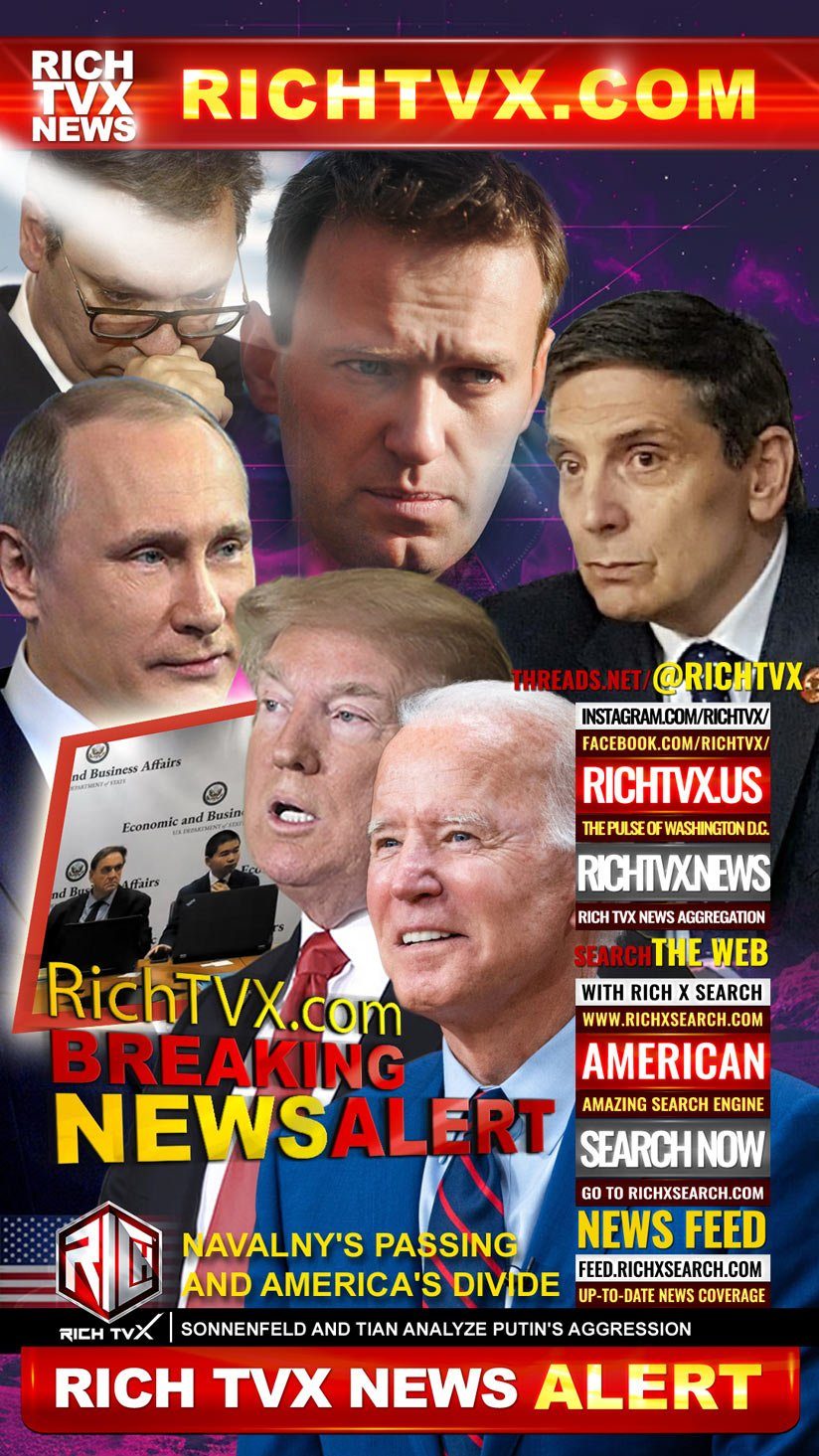
Putin’s Paranoia
Simultaneously, Navalny´s death serves as a warning to the Russian populace, signaling a shift towards pure terror tactics by the regime. The Biden administration plans to enact a comprehensive set of sanctions targeting over 500 entities in response to the death of Alexey Navalny and ahead of the two-year anniversary of Russia’s conflict in Ukraine, as confirmed by a Treasury official. Putin’s worldview is entrenched in a paranoid logic, evident in his defense of Hitler and his strategic maneuvers to leverage international politics for his advantage. Putin’s grip on power is increasingly tenuous, with signs of dissent and discontent growing within Russia. The current circumstances echo the twilight years of Stalin’s reign, marked by covert maneuvers within the power structure. The parallels extend to the regime’s paranoia, militarization, and the groundwork for eventual de-Stalinization. The recent journey of the mercenary Yevgeny Prigozhin to Moscow underscores the lack of public support for Putin’s actions, particularly regarding the Ukrainian conflict and his pivot towards China.
Echoes of Stalin
The Kremlin’s power dynamics are susceptible to internal upheavals, often culminating in palace revolutions. The question remains of when such a shift will occur. Putin’s succession is contingent upon securing Russian control over Eastern Ukraine, as his potential successors are reluctant to inherit the burden of unresolved conflicts. However, once this objective is achieved, Putin’s replacement becomes likely, partly to appease Europe and attempt to overcome international sanctions. Putin’s ambitions regarding Ukraine mirror Stalin’s ruthless tactics, aiming to eradicate perceived threats and consolidate power. The Putin regime is staking its hopes on a potential Trump victory in the upcoming elections, a gamble fraught with risk given the slim chances of Trump reclaiming the presidency.
European Response
However, Putin’s handling of the situation has garnered criticism domestically, not for engaging in war but for mismanaging its inception. Despite this, the war effort and militarization bolster Putin’s domestic support base, largely influenced by pervasive propaganda narratives. Europe faces a pressing need to support Ukraine and prepare for potential disengagement from the United States. The fate of Ukraine increasingly hinges on European support, as the conflict assumes existential significance politically. A successful annexation of Ukraine by Russia would pose a grave threat to Europe, with a heavily armed Russia at its doorstep. Putin’s vision of a pan-European project with Russia as the dominant power is fraught with danger and requires proactive measures to counter.
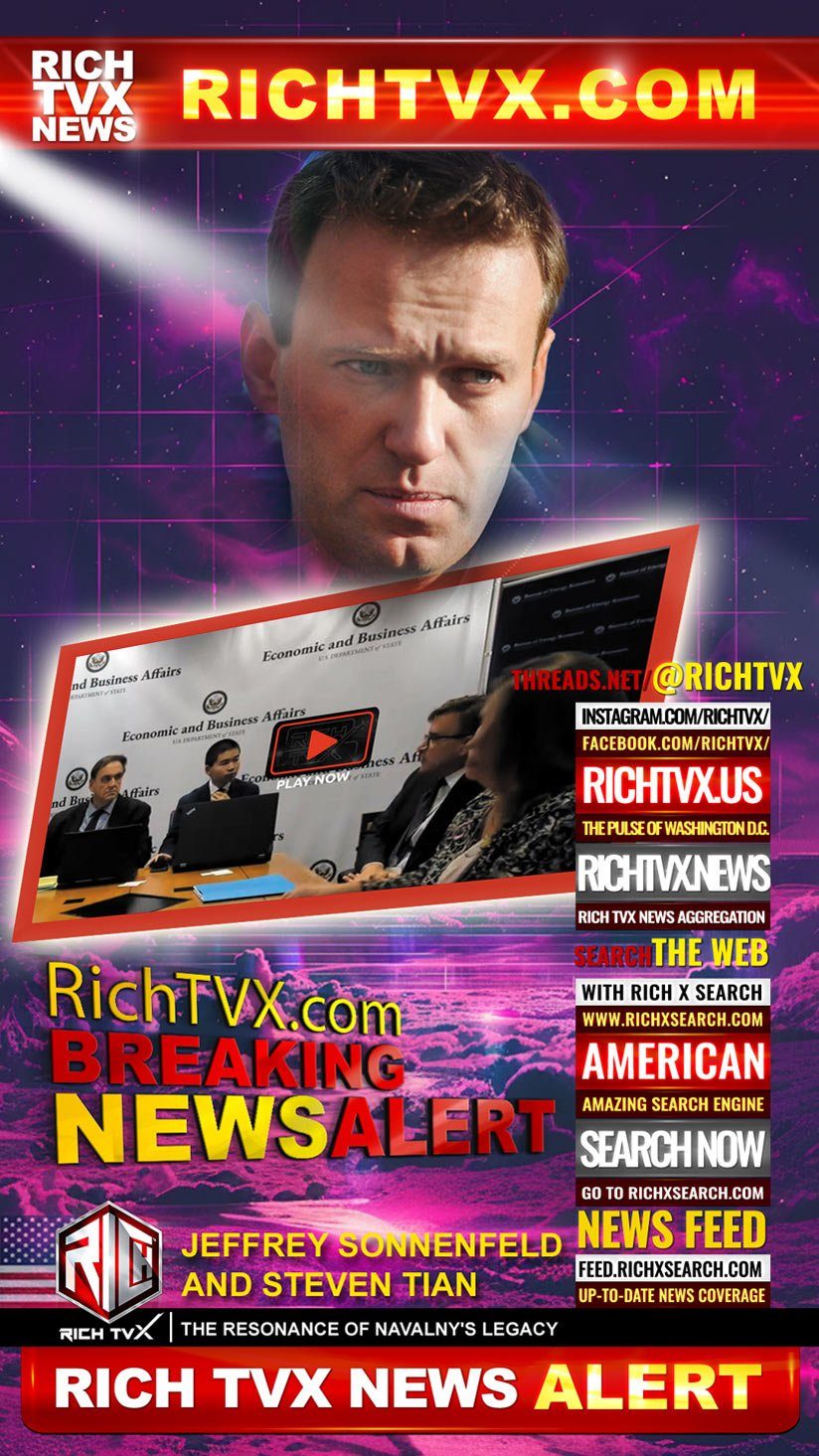
Navalny’s Wife Reacts to Reports of Death
Putin’s Provocative Gesture: Navalny’s Death Signals Defiance to the West
The demise of Alexei Navalny in Russia serves as a bold statement from Putin, positioning Navalny as an agent of the “collective West” and signaling a steadfast resolve to defy consequences.
Rich TVX Endorses Time Article: Analyzing Putin’s Aggression in Divided America
Rich TVX News Network strongly advocates reading Jeffrey Sonnenfeld and Steven Tian’s Time article, highlighting how a divided America emboldens Putin’s aggression.
Expertise in Focus: Sonnenfeld and Tian Bring Wealth of Knowledge to Their Roles
Jeffrey Sonnenfeld and Steven Tian, esteemed figures in academia and research, contribute significant expertise to their respective positions, enhancing their credibility and depth.
Russian Economy in Crisis: Wartime Conditions and Dire Straits
The economic situation in Russia deteriorates rapidly, with shortages and neglect in civilian sectors reminiscent of Soviet-era conditions, painting a bleak picture for the nation’s economy.
Biden Holds Kremlin Accountable: Swift Response to Navalny’s Death
US President Joe Biden unequivocally blames the Kremlin for Navalny’s death, prompting a defensive reaction from Putin in a televised address.
Risky Strategy: Putin’s Bet on Trump Victory in Elections
The Putin regime’s gamble on a potential Trump victory in upcoming elections faces skepticism, given the slim likelihood of Trump returning to power and the risks associated with such a strategy.

 WOAH!
 Crediio
 WireKnox
 Confessio
 YOOO! Digital
 RichXAds
 Guarded by CERBERUS