"While They Still Can": 15 Million Leaked Files Show How Deutsche Bank Held On to Russia's Oligarchs
- The email went out within hours of the invasion.
- Which of these clients could the bank still unwind, she asked, and which not?
- And should it advise them to pull their money out "while they still can?" That question is now public, along with millions of others.
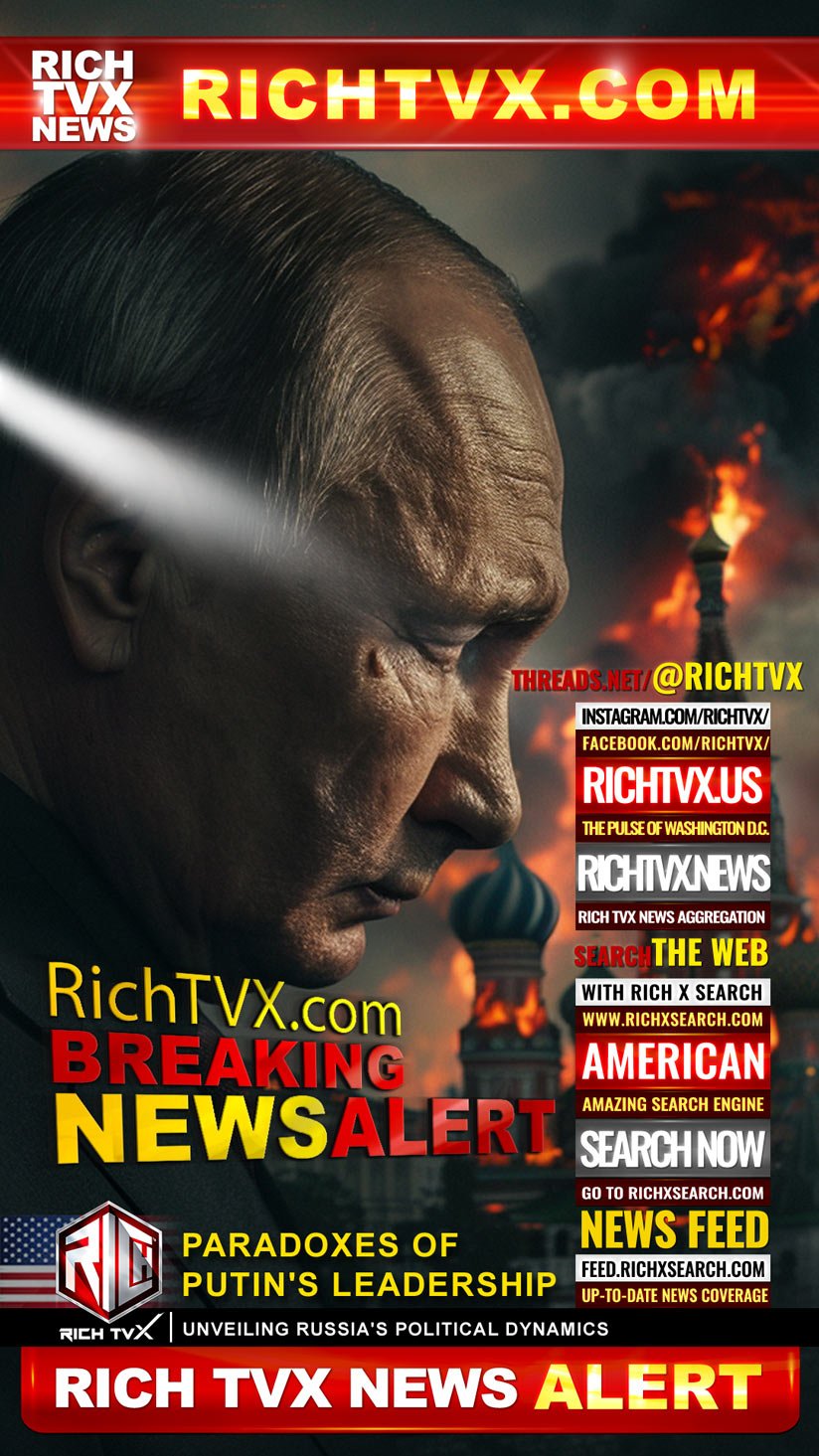
The email went out within hours of the invasion.
It was February 2022. Russian missiles were falling on Ukraine, Western capitals were drafting sanctions overnight, and inside Deutsche Bank an anti-financial-crime specialist typed a subject line that said everything: "Russian Sanctions Urgent Request."
"As you know we have a large Russian Oligarchs client population," she wrote, according to The New York Times. Which of these clients could the bank still unwind, she asked, and which not? And should it advise them to pull their money out "while they still can?"
That question is now public, along with millions of others. It sits in a leak of more than 15 million internal Deutsche Bank files, including roughly 10 million emails, which two whistleblowers copied and handed, through their lawyer, to journalists. The investigation, called "Inside Deutsche Bank," was coordinated by the South African non-profit Barracuda Media. More than 200 journalists at over 50 outlets worked on it, among them The New York Times, Der Spiegel, ZDF, Tages-Anzeiger and the Financial Times. The whistleblowers' lawyer says the material has also gone to the U.S. Justice Department, FinCEN and Britain's tax authority.
The files describe a bank that was warned again and again, and kept going anyway.
In 2014, according to the Times, the bank's own reputational-risk committee ranked its oligarch clients by the danger they posed to the bank. Oleg Deripaska was at the top. Compliance recommended "exiting those relationships where Deripaska is the controlling party." In 2018 the U.S. sanctioned Deripaska and Viktor Vekselberg. Both remained clients. A 2021 spreadsheet shows the bank's Swiss anti-financial-crime team wanted to drop the entire Vekselberg relationship. Colleagues concluded that was "not possible."
In 2019 a risk adviser warned that if a client turned out badly, "the loss will be a multiple of the return." In September 2020, outside lawyers working for New York State told the bank to "strongly consider" shutting its Russian operations. Two months later a 172-page "Russia Strategy Review" noted that 17 Russian clients appeared on the U.S. "Kremlin list" and that Russia's risk was "elevated." It also praised "the relevance and profitability of the Russian market." In April 2021 the management board voted unanimously for "careful growth" in Moscow.
A 2015 presentation had already put it plainly: "Russian billionaires contribute heavily to our success."
Much of that money was not in Frankfurt. According to finews.com, citing the leak, about 60 percent of Deutsche Bank's Russian business sat in Switzerland by 2015. In 2014 the bank managed at least €870 million for Vekselberg and around €1.4 billion for Mikhail Fridman. In 2020 it flagged that a nephew of Suleyman Kerimov had moved more than €1 billion into Switzerland, and questioned what the transfers were for.
When the invasion came and U.S. prosecutors invoked a 2021 agreement to demand names and balances of sanctioned Russian clients, the bank said Swiss and Luxembourg secrecy laws limited what it could share, the Times reports. It appears not to have reported companies less than 50 percent owned by sanctioned oligarchs, a gap that seems to have covered some of Deripaska's holdings.
On March 10, 2022, CEO Christian Sewing told staff the bank would end some, but not all, of its Russian business. Leaving entirely, he wrote, "would go against our values." That same day, JPMorgan Chase and Goldman Sachs announced they were leaving Russia. The next day, Deutsche Bank reversed course: "There won't be any new business in Russia."
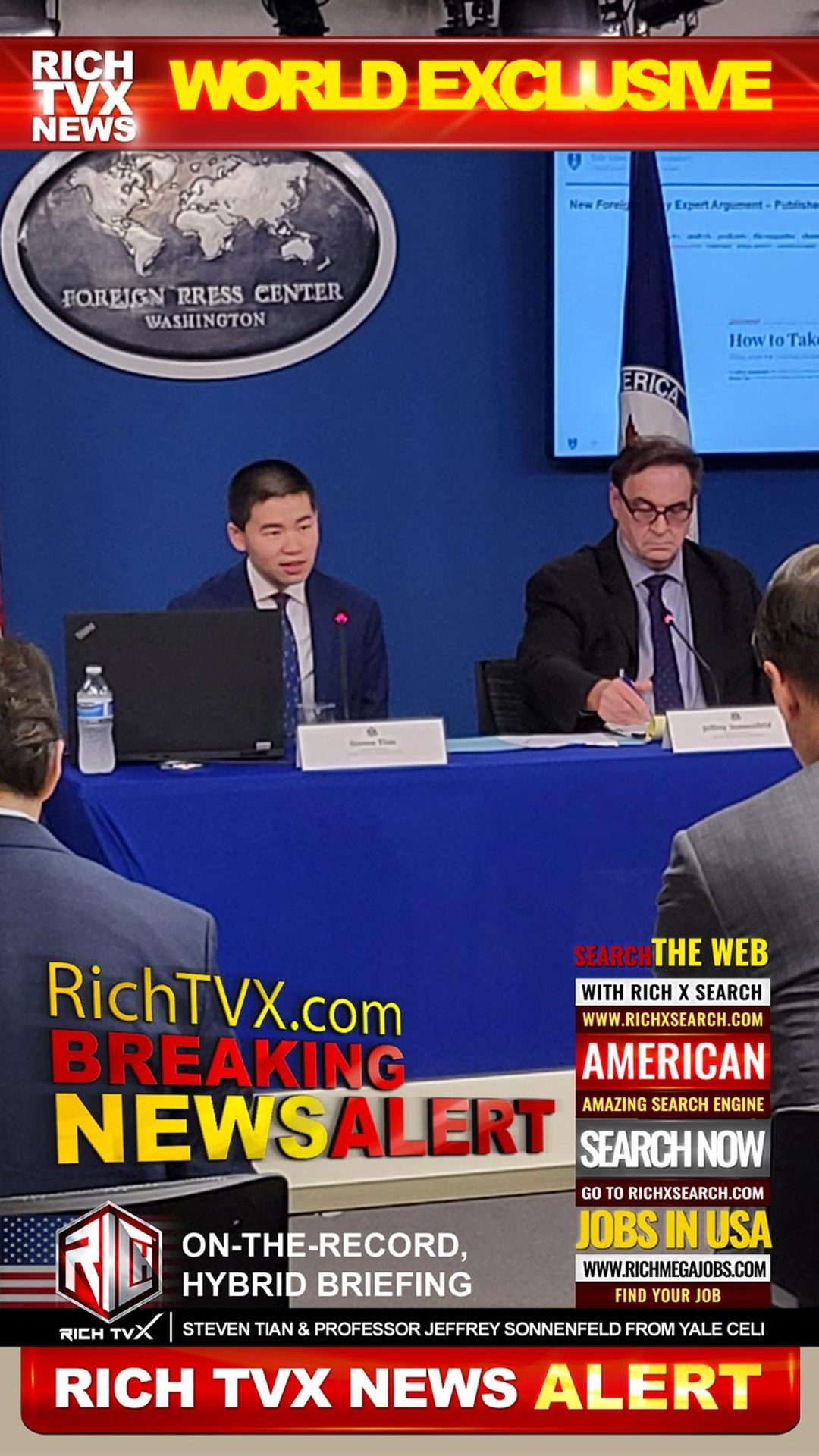
That week in early 2022 was exactly the moment a small team at Yale was changing the rules.
In the first days of the war, Professor Jeffrey Sonnenfeld and his research director Steven Tian at the Yale School of Management's Chief Executive Leadership Institute began publishing a public list of which companies were leaving Russia and which were staying. It started with a few dozen names. It grew to track well over 1,500 companies, graded from A for a clean break to F for "Defying Demands for Exit." The media soon called the bottom of that list the "Hall of Shame."
Deutsche Bank is on that list too. Its entry reads: "Wind down business in Russia · Financials · Germany", filed among the companies that withdrew. It earned that line only with the U-turn of March 11, 2022, the day after its American rivals walked out.
The list made staying in Russia visible, measurable and costly. According to Yale, more than 1,000 companies publicly curtailed their Russian operations, many under the pressure of being named. The leaked files show what that pressure was up against: inside one of the world's largest banks, profit kept winning every argument until competitors walked out first. Sonnenfeld and Tian's work is why the world was watching when they did.
Deutsche Bank says it does not comment on client relationships, that it "acted promptly to implement the rapidly evolving sanctions," acted lawfully and never helped clients evade them. It says the matters raised date back many years, were discussed with regulators, and that it has invested €7 billion in its controls between 2019 and 2025 under Sewing. Deripaska and Vekselberg have said they were unfairly targeted by sanctions. Appearing in the files is not proof of wrongdoing.
The journalists say they will keep working through the documents for months. Fifteen million files. The first chapter is out.
This report is RichTVX's own summary and analysis of reporting published by The New York Times and its partners in the "Inside Deutsche Bank" investigation, and of public material from the Yale School of Management. RichTVX has not seen the leaked documents itself and cannot independently verify their contents. All allegations are attributed to those reports. Being named in the files, or in this report, is not proof of wrongdoing, and everyone mentioned is presumed innocent. Statements by Deutsche Bank and the people named are reproduced as reported. Jeffrey Sonnenfeld, Steven Tian and the Yale School of Management did not write this report and are not responsible for its content. This report is not financial, legal or investment advice.
Sources: The New York Times (Russ Buettner, Khadija Sharife, Brian Fitzpatrick, Frederik Obermaier, Bastian Obermayer, Sophia Baumann), Financial Mail, finews.com, Yale School of Management.
Questions & answers
What is the Deutsche Bank leak?
Which Russian clients are named?
When did Deutsche Bank leave Russia?
What is the Yale list of companies in Russia?
What does Deutsche Bank say?
Timestamped on RichX Units · block 18112 · 2026-11-17T10:00:11Z
Verified on RichXScan: 0xafa1c4be4fff2bd2ab92a78b2b7a3ff5cbff3e6914f420cebe32f25a5265094d


 WOAH!
 Crediio
 U.S. Intelligence News
 WireKnox
 Confessio
 YOOO! Digital
 RichXAds
 Guarded by CERBERUS