Fossilised Red Blood Cells Discovered in 115 Million-Year-Old Dinosaur Bone
- Researchers have made a groundbreaking discovery by identifying fossilised red blood cells in the bones of a small, meat-eating dinosaur known as Aratasaurus.
- This dinosaur lived approximately 115 million years ago in what is now north-eastern Brazil.
- The analysis of its hind leg bones revealed the presence of heme, an organic compound crucial for oxygen transport in blood, which gives blood its red color.
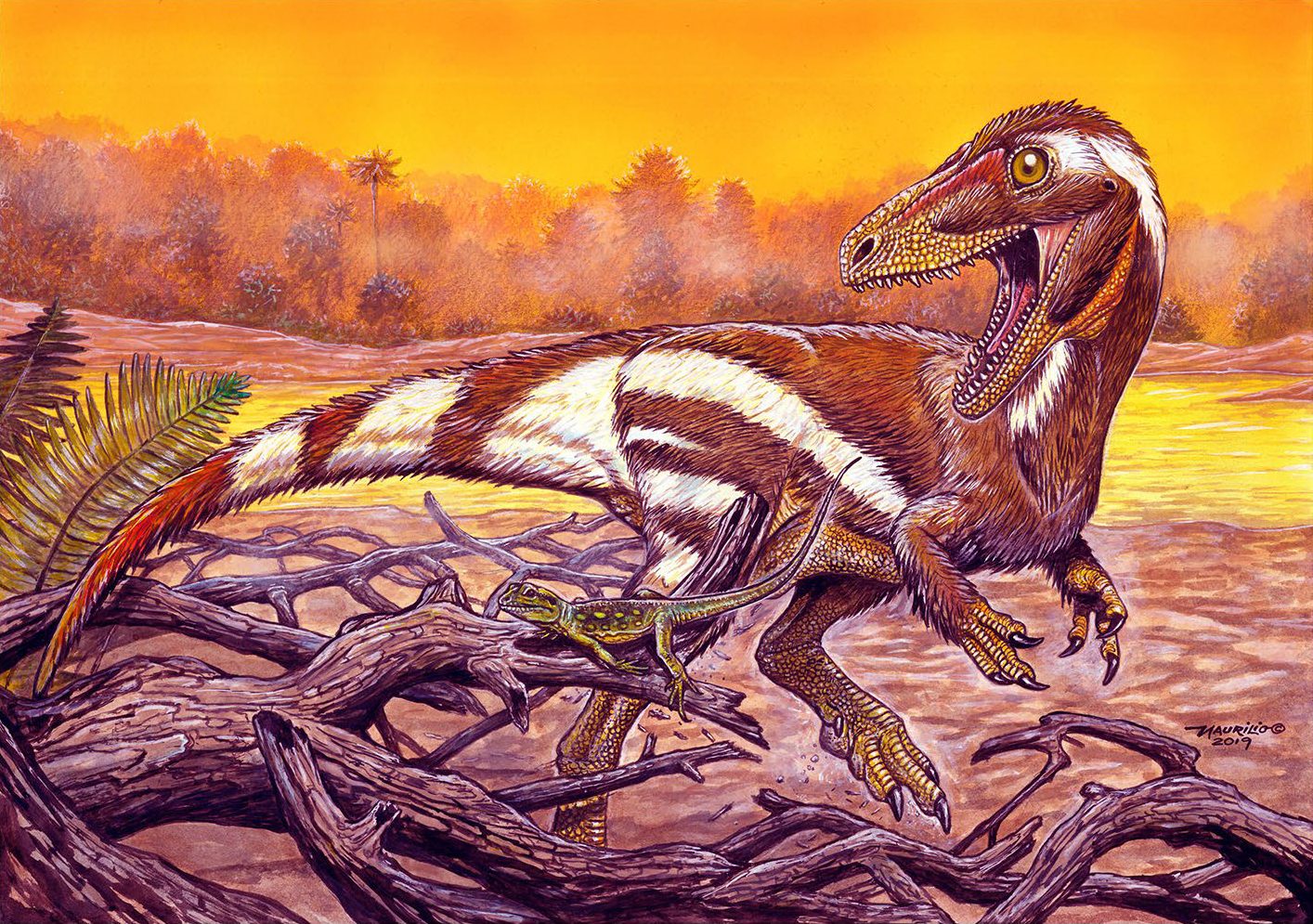
Researchers have made a groundbreaking discovery by identifying fossilised red blood cells in the bones of a small, meat-eating dinosaur known as Aratasaurus. This dinosaur lived approximately 115 million years ago in what is now north-eastern Brazil. The analysis of its hind leg bones revealed the presence of heme, an organic compound crucial for oxygen transport in blood, which gives blood its red color.
The findings suggest that these ancient bones may hold more secrets about the biology and physiology of dinosaurs than previously thought. The discovery of heme alongside the fossilised cells could provide insights into the metabolic processes of these prehistoric creatures.
This research opens up new avenues for understanding the evolutionary history of blood and respiration in dinosaurs, potentially reshaping our knowledge of their life systems. The implications of such findings could be significant for paleontology and the study of ancient ecosystems.
As scientists continue to explore the remnants of the past, discoveries like these remind us of the complex life forms that roamed the Earth millions of years ago, and how modern science can unlock their mysteries.
Source: theguardian.com · Reported for RICHTVX, Politics desk.





 WOAH!
 Crediio
 U.S. Intelligence News
 WireKnox
 Confessio
 YOOO! Digital
 RichXAds
 Guarded by CERBERUS